|
Tao Te Ching
THE TAOISM OF LAO TZU
|
Tao Te Ching
The Taoism of Lao TzuTaoism is not a religion. To the Taoists, gods and the afterlife are vague, almost non-existent. Taoism is all about here and now: the philosophy of how to live a pleasant life, without causing unnecessary commotion or distress.
Tao Te ChingEach Chapter ExplainedThe major source to Taoist philosophy is the Tao Te Ching (also spelled Dao De Jing), written by the legendary Lao Tzu (Lao Zi) — somewhere between the 6th and the 4th century BC in China. Here is my complete translation of it, where I explain each chapter from a perspective also relevant in our modern life. The old Taoist philosophy classic still has a lot to teach us. Click the header to read the book.
Tao Te Ching Chapter 1
Already by the first chapter of Tao Te Ching, the style of its interpretor or translator is quite clear. In 2004, I vacuumed the internet and my own library for versions of Tao Te Ching's first chapter. I found 75, from well-renowned sinologists to happy amateurs. Now I have also added my own version. The vagueness of the original text allows for very different interpretations, as you can see in the collection of translations. |
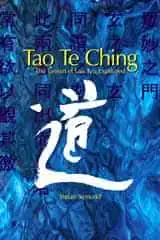 Tao Te Ching
My Taoism BooksClick the image to see the book at Amazon (paid link).
The Taoism of Lao Tzu Explained. The great Taoist philosophy classic by Lao Tzu translated, and each of the 81 chapters extensively commented. |
 Tao Quotes
 Fake Lao Tzu Quotes
About Cookies
My Other Websites:
I Ching Online
The 64 hexagrams of the Chinese classic I Ching and what they mean in divination. Try it online for free.
Qi Energy Exercises
The ancient Chinese life energy qi (chi) explained, with simple instructions on how to exercise it.
Life Energy
The many ancient and modern life force beliefs all over the world explained and compared.
Taoismen på svenska
Other Books by Stefan Stenudd
Click the image to see the book at Amazon (paid link).
 Cosmos of the Ancients
The Greek philosophers and what they thought about cosmology, myth, and the gods.
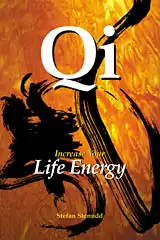 Qi — Increase Your Life Energy
The life energy qi (also chi or ki) explained, with exercises on how to awaken, increase and use it.
 Aikido Principles
Basic concepts of the peaceful martial art. Aikido principles, philosophy, and fundamental ideas.
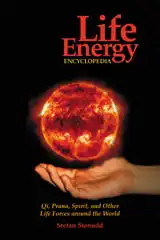 Life Energy Encyclopedia
Qi, prana, spirit, ruach, pneuma, and many other life forces around the world explained and compared.
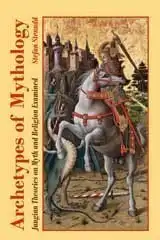 Archetypes of Mythology
Jungian theories on myth and religion examined, from Carl G. Jung to Jordan B. Peterson.
 Stefan Stenudd
About me
I'm a Swedish author and aikido instructor. In addition to fiction, I've written books about Taoism and other East Asian traditions. I'm also an historian of ideas, researching ancient thought and mythology. Click the image to get to my personal website.Contact